



7 hours·English
4.0(317)
Tromsø: Aurora Safari Chase with Photos
Free cancellationEnglish-speaking guidePrivate aurora location
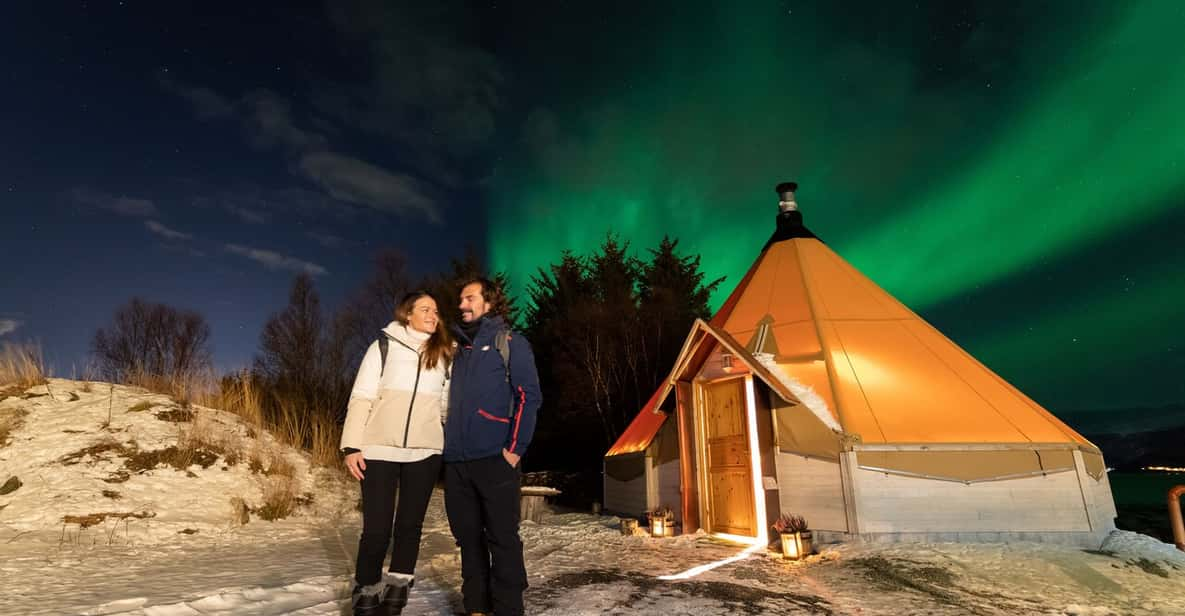
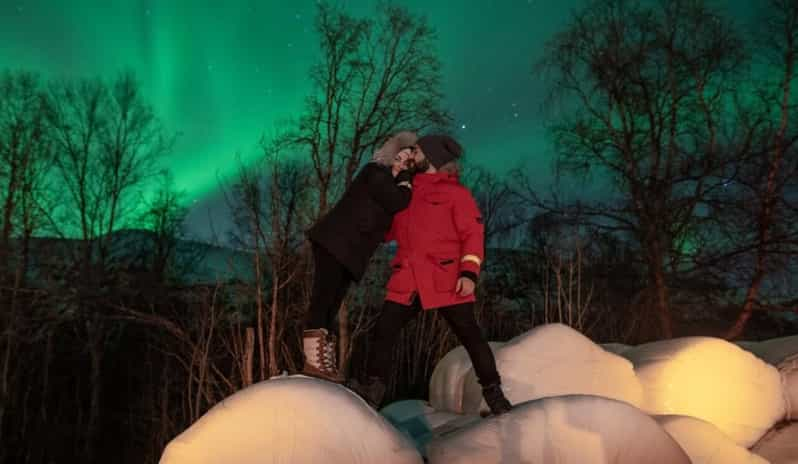
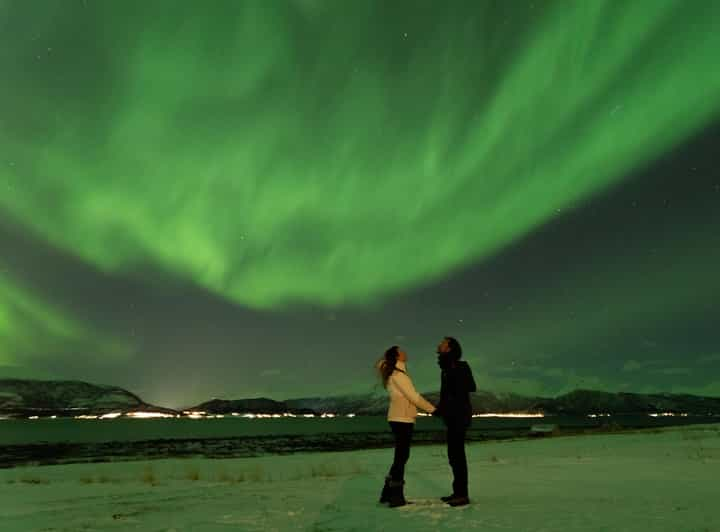
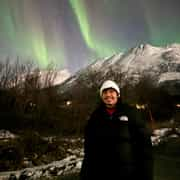
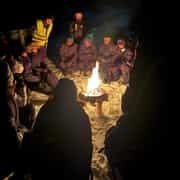
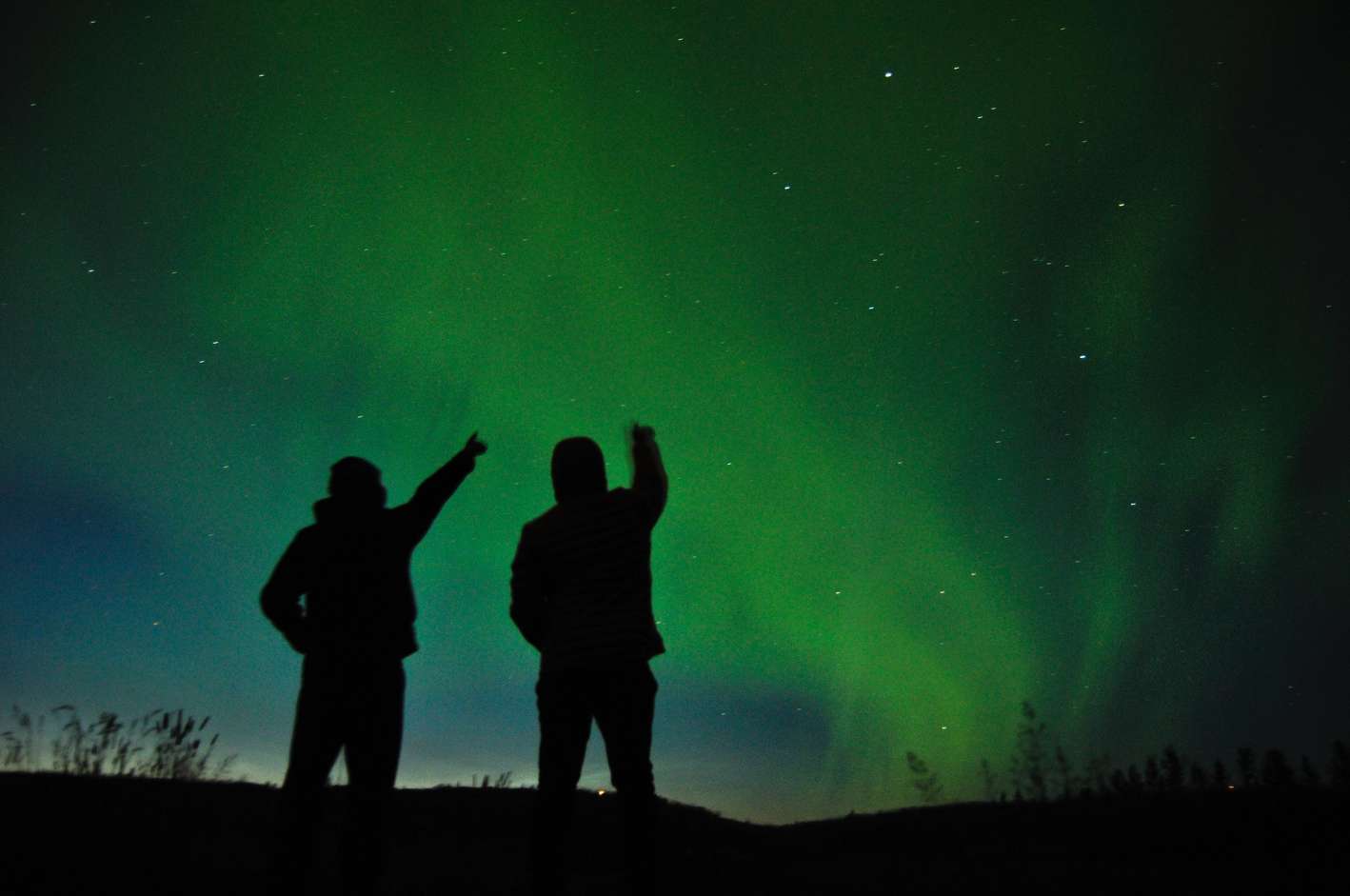
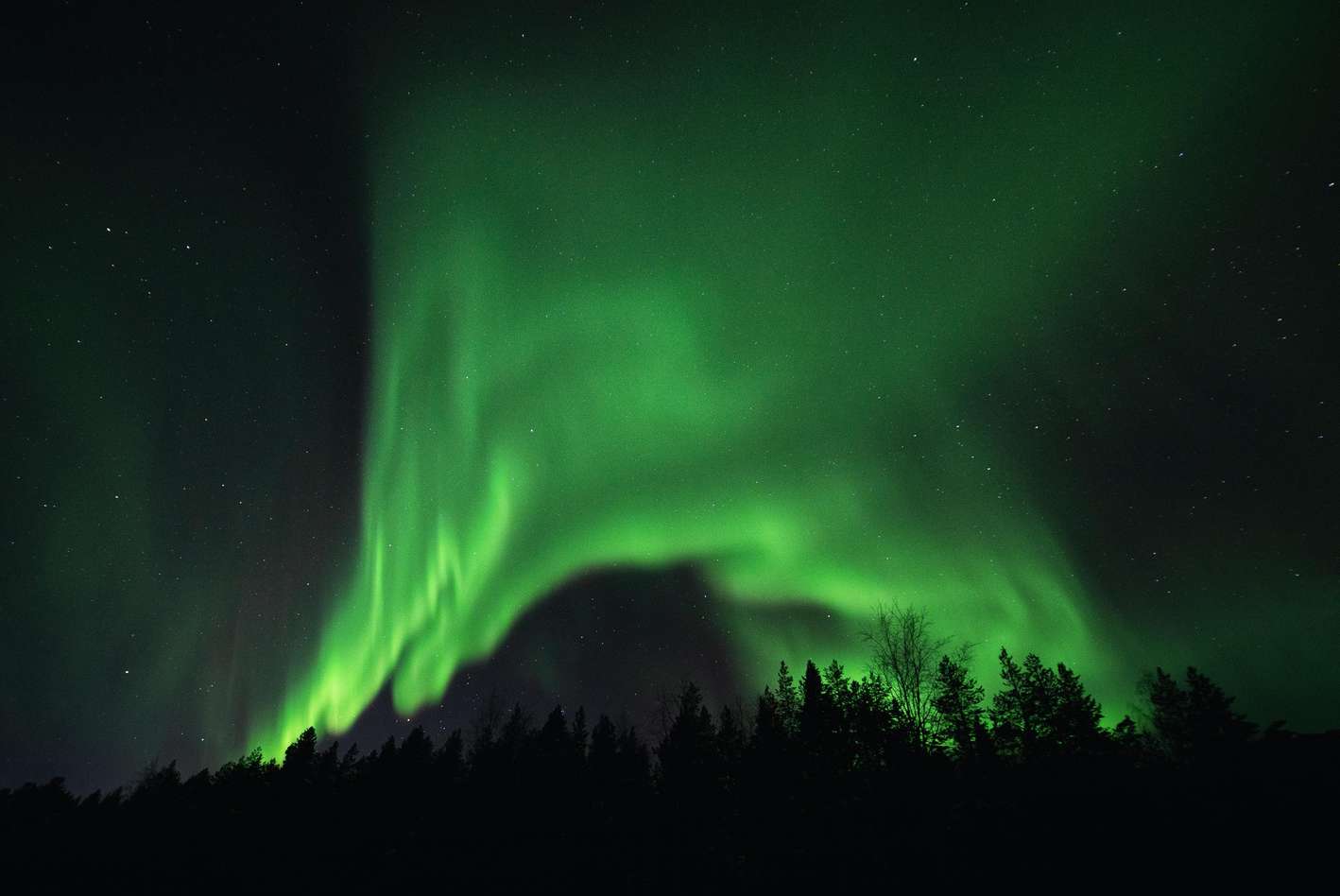
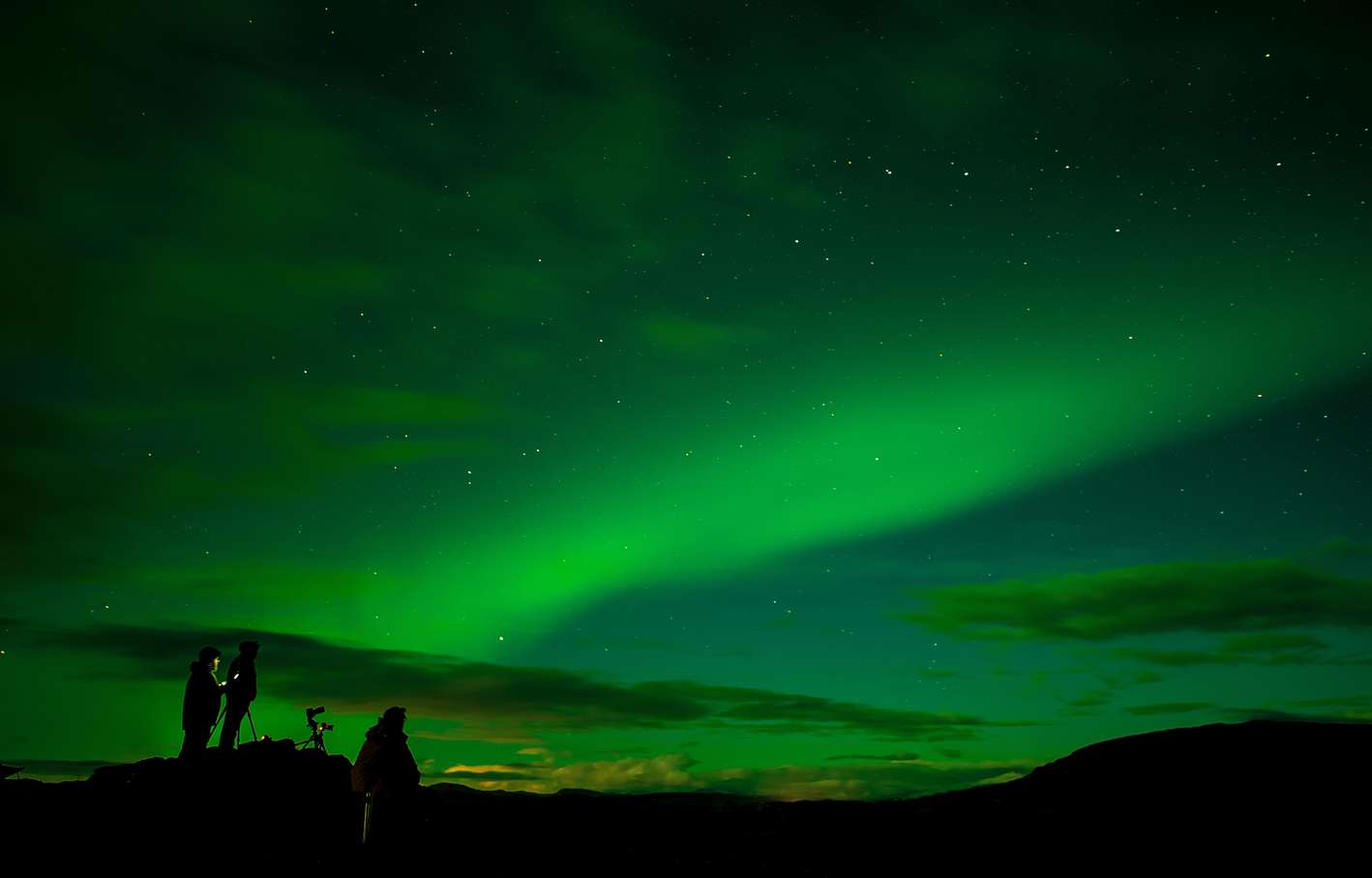
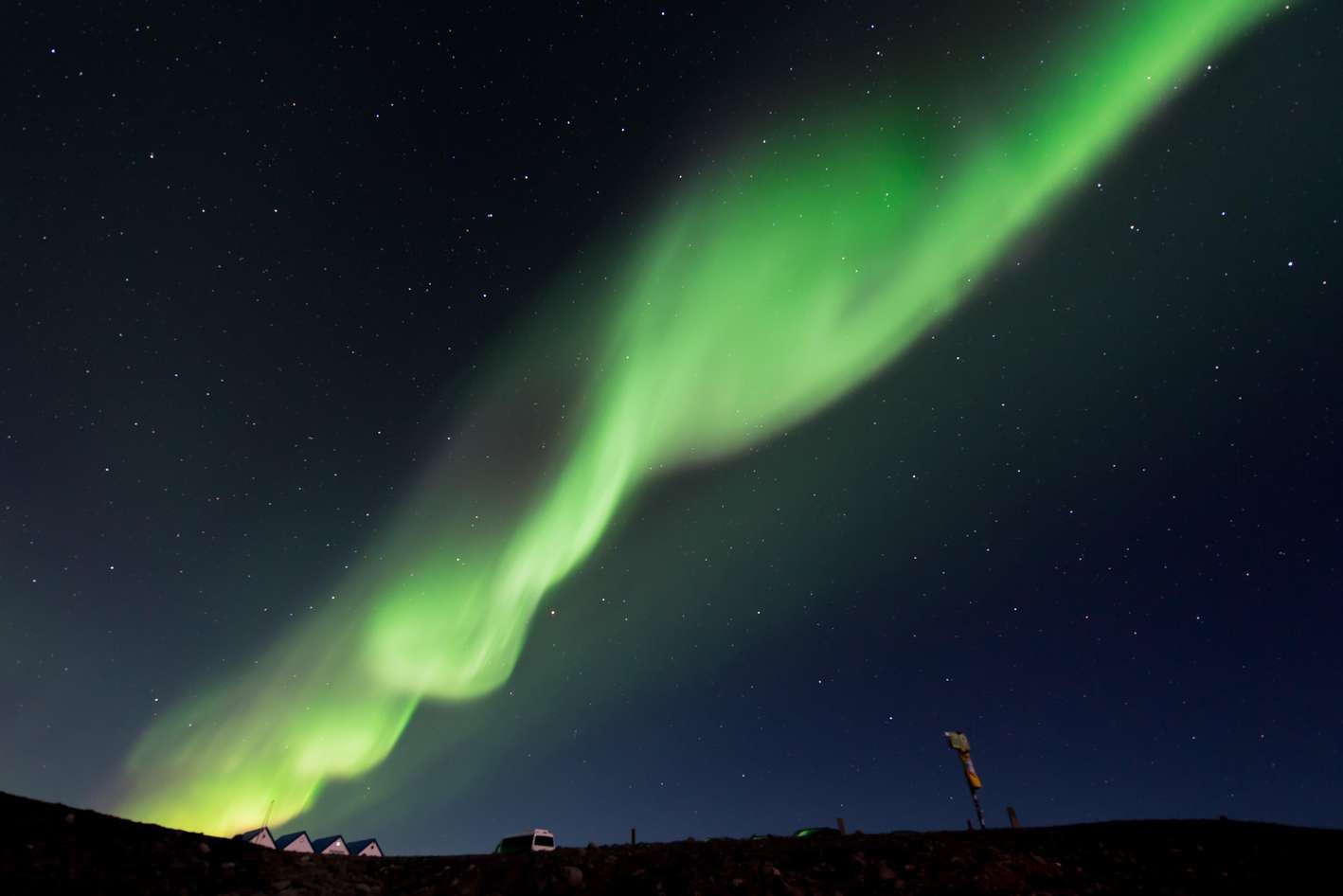
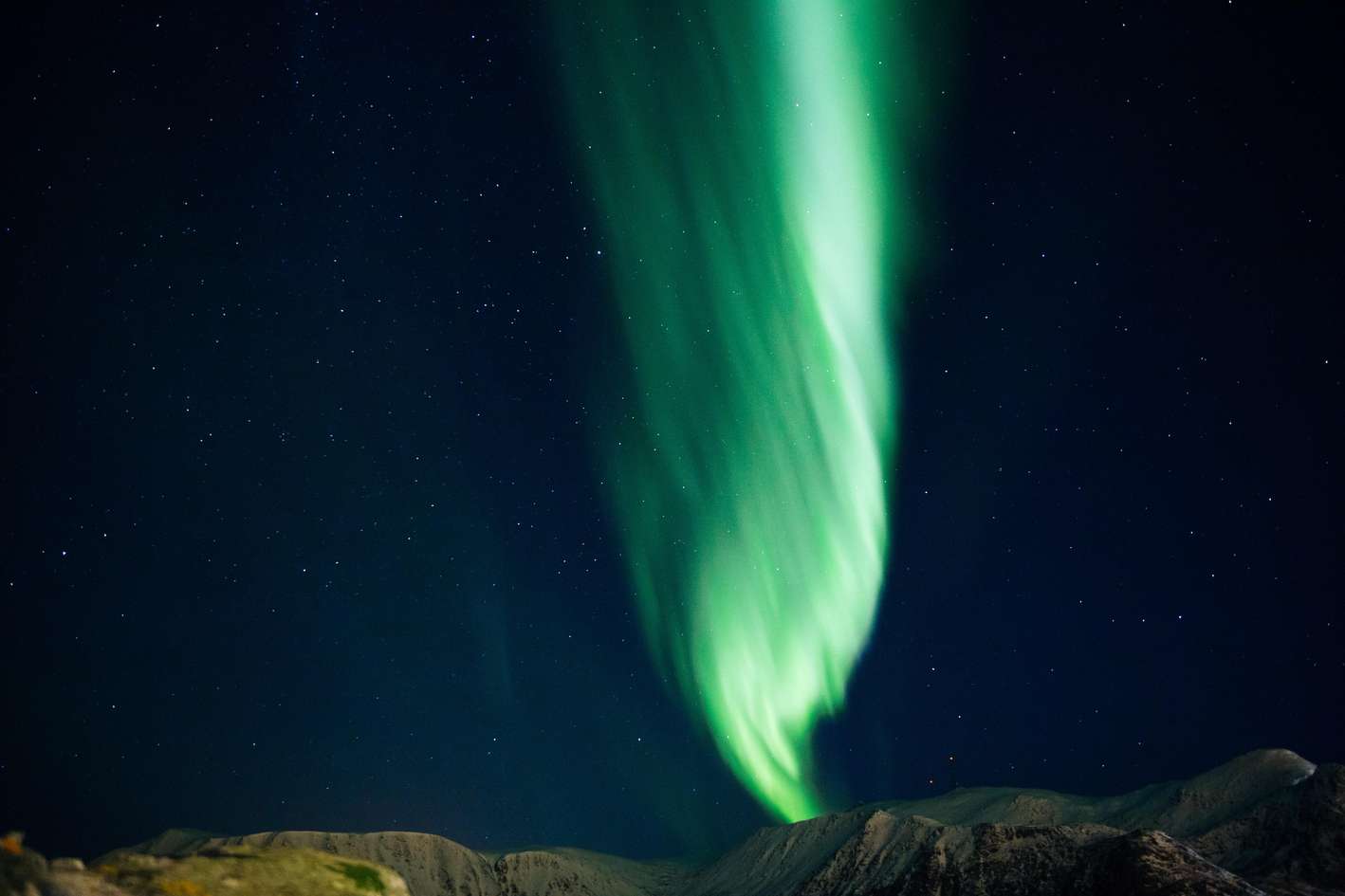
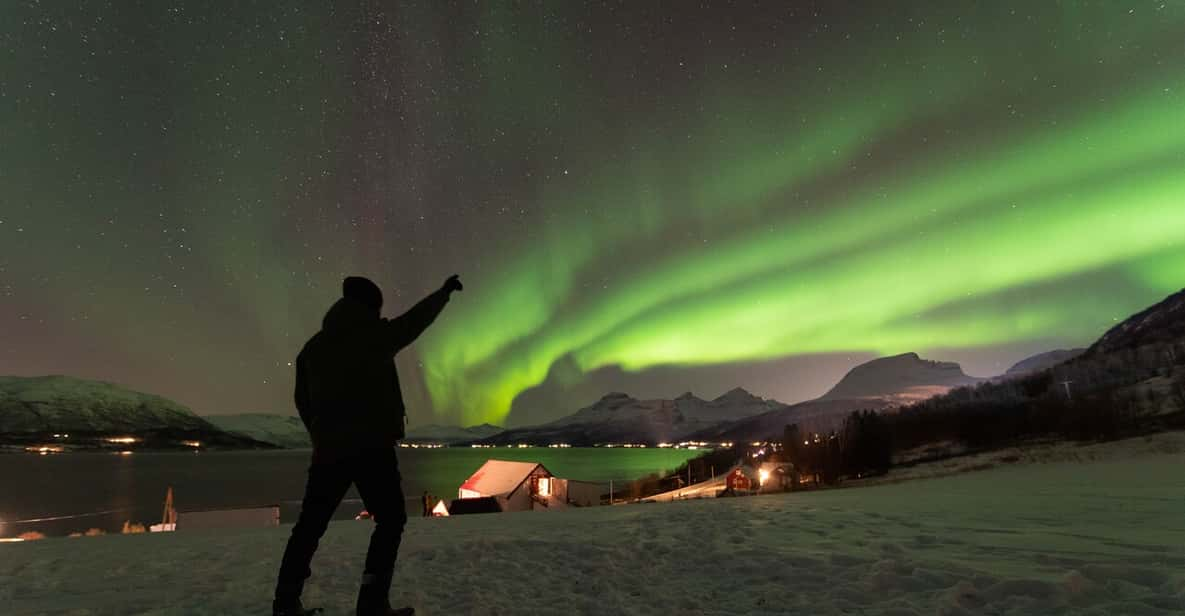
Chase clear skies with expert guides. Join thousands who watched the aurora dance over Arctic fjords from private viewing spots, far from city glow. Coaches with onboard toilets, hot soup by the fire, and free photos of you under the lights make the best place to see northern lights in Tromsø a moving one, wherever tonight's clear patch sits.
"Friendly guides took great photos and helped with my camera settings. The dinner stew was good, and staff kept the coffee and hot water topped up all night."


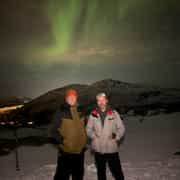
A dark viewpoint still needs a clear night, so where you go and when you travel are two halves of the same decision. The month-by-month guide below settles the date side of it.
Which month gives you dark skies, deep snow and the best clear-night odds
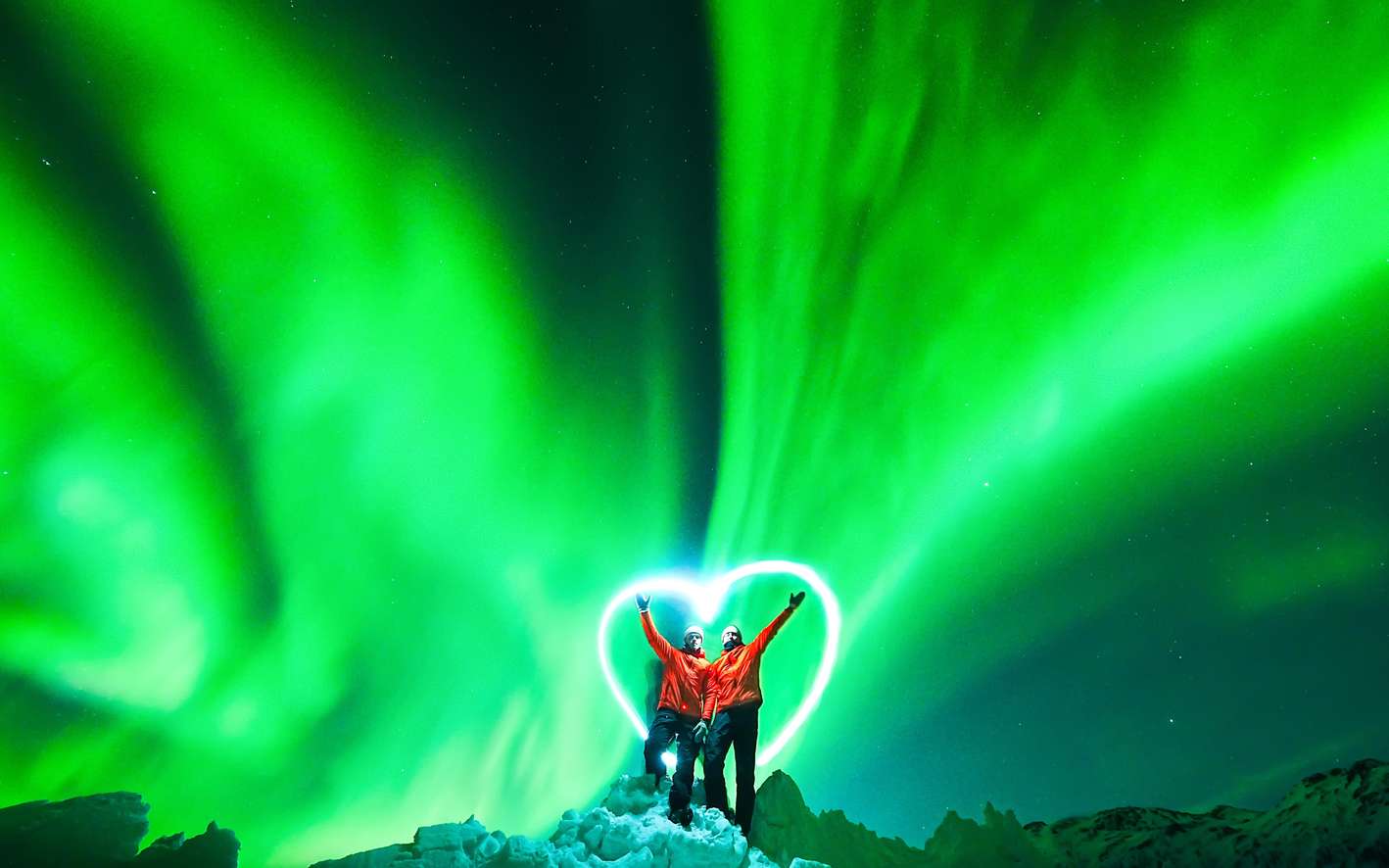
Clear nights are the whole game in Tromso. The town sits under heavy coastal cloud for most of the winter, which leaves only a handful of fully clear, dark nights in an average month. A chase inland toward the Lyngen valleys can find several times as many.
The season runs from mid-September to late March, and each month inside it plays out differently: snow-free autumn nights, the deep polar dark of December and January, milder late winter in February and March. The timing guide walks through all of it, so you can match your dates to the night you want.
last fjellheisen descent at midnight
Tromsø sits right under the auroral oval, yet January clouds cover the town four evenings in five. The real viewing ground moves with the weather, so the honest score goes to whichever spot holds clear sky that night.
Tromsø lies directly beneath the auroral oval, so the lights show overhead whenever skies clear.
Cloud is the town's problem: January runs overcast about four evenings in five.
Strong displays do show from the city centre, and Telegrafbukta and Prestvannet are walkable dark spots.
Inland Skibotn clears on roughly one evening in two, against two evenings in five over Tromsø.
A guided minibus chase finds clear skies on about nine departures in ten, and you need a physical passport aboard.
Carry your physical passport or national ID card in a dry inner pocket on the night of the tour, and leave photocopies or phone photos at your hotel.
Tromsø earns its aurora reputation on the map first. The town sits directly beneath the auroral oval, the band where the lights burn most often, and it has the flights, hotels and tour fleet to match. Access is why travelers come, because other places under the oval are far harder to reach.
Tours leave from a cluster of harbourfront meeting points, a few minutes' walk of each other downtown, and the roads fan out three ways from there: the Kvaløya fjords west, the open coast north, and the E8 east toward the Lyngen valleys and Finland.
Each direction carries its own weather, which is exactly what a chase needs.
What no map shows is the thing that decides your night. In January, the town sits under cloud about four evenings in five, and the clear patch you need can lie an hour or two away. The lights themselves are nearly a given under the oval. The open sky above them is not.
Choose your dates before you choose your spot, because the calendar decides which spots are worth anything. True darkness lasts from mid-September to late March. Outside that window the summer sun washes the sky out, and only the grey twilight at the edges is usable.
Inside the season the months play out differently. October gives about ten hours of dark a night with roads nearly snow-free and temperatures hovering at freezing.
November goes fully polar with fourteen hours of dark, yet the town itself averages fewer than two clear dark nights all month, while a chase able to drive 75 kilometres reaches nearly fourteen of them.
For the month-by-month detail, the best time to see northern lights in Tromsø guide walks through every month's clear-night odds, snow and daylight.
Crowds track the dark.
January: 5 out of 5 for how busy it gets.
Tap a month to read it.
November through March runs at peak demand and books out ahead. October leaves space on almost any departure.
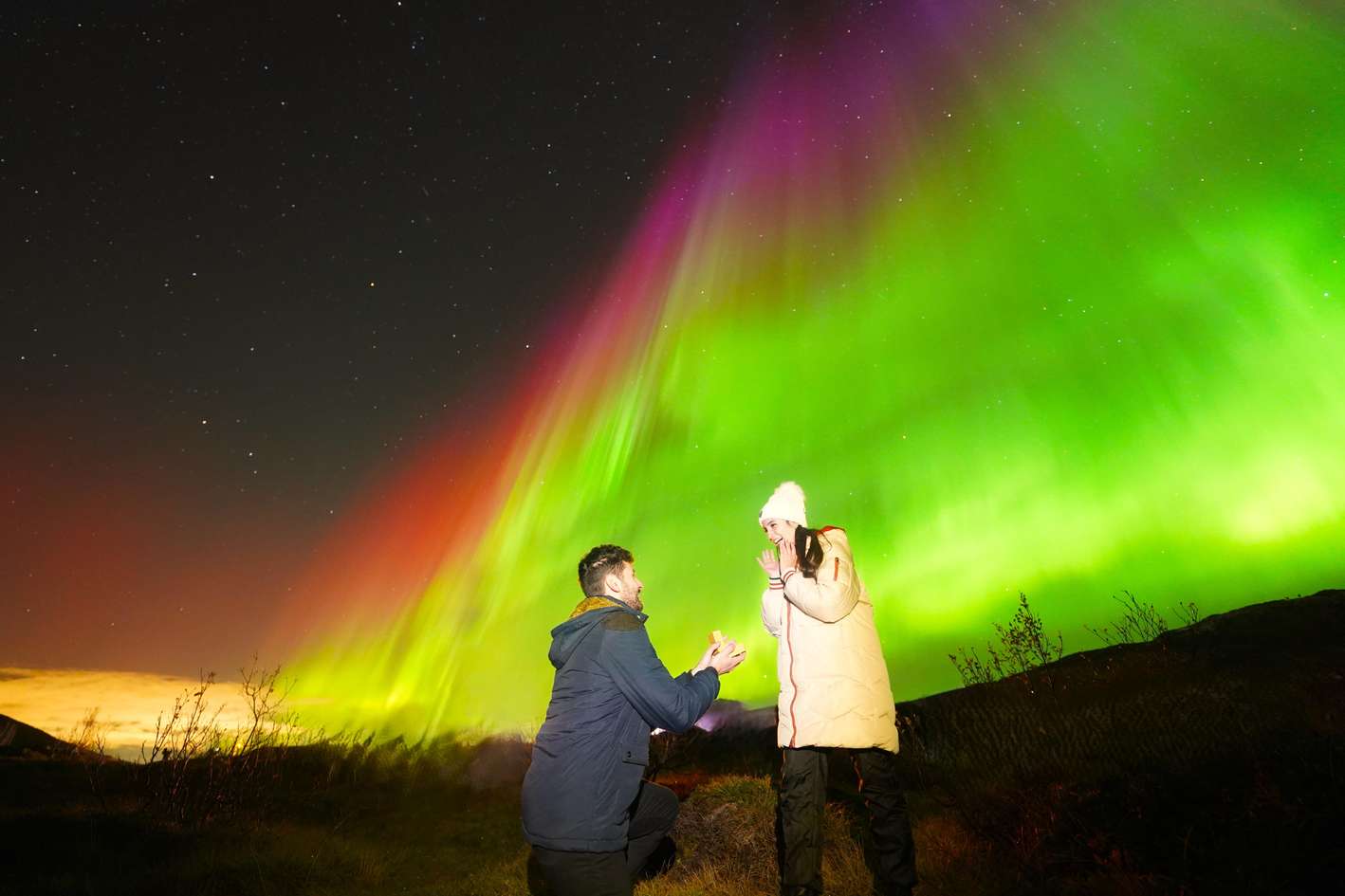
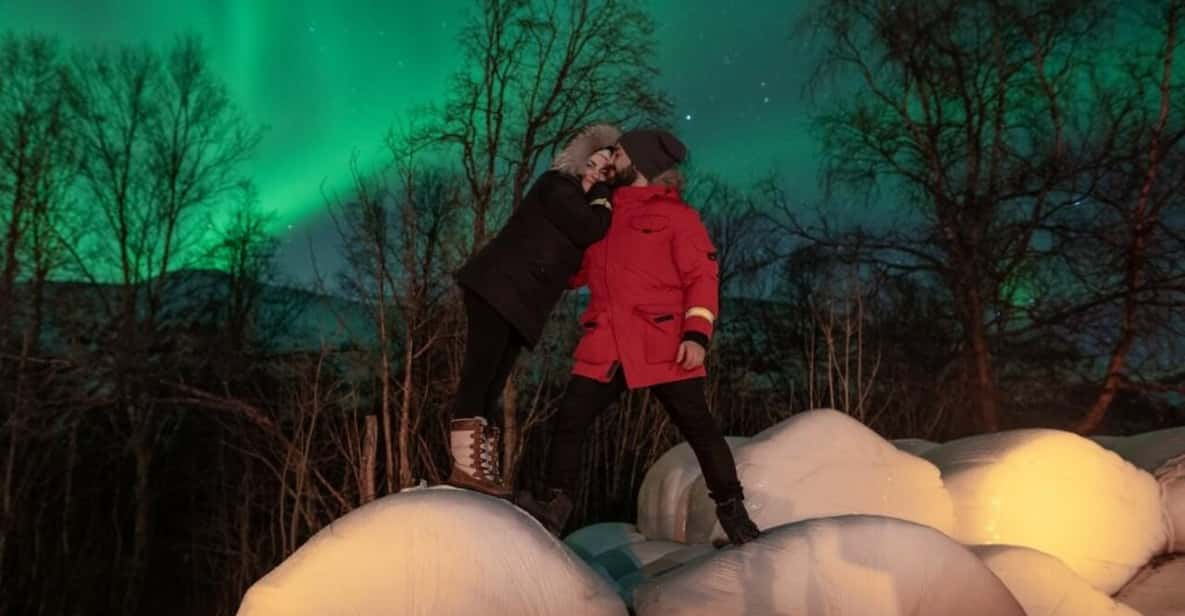
Downtown Tromsø under a strong display is a real thing. When a big solar storm runs, people watch from the bridge, from parks and from beside the cathedral, streetlights and all. The belief that you must leave town to see anything only holds on ordinary nights.
Ordinary nights are most nights. Downtown light pollution dulls faint bands and hides moderate displays entirely, so the city benches pay off only when activity runs high. That limit is the whole case for leaving town.
Between the two extremes sit the walkable dark spots. Telegrafbukta beach and Prestvannet lake lie a bus ride or a brisk walk from the centre, and the cable car lifts you clear of most of the city glow in minutes.
None of them beats the weather, but all of them cost a bus ticket, which makes them the natural backups for a free evening between tours.
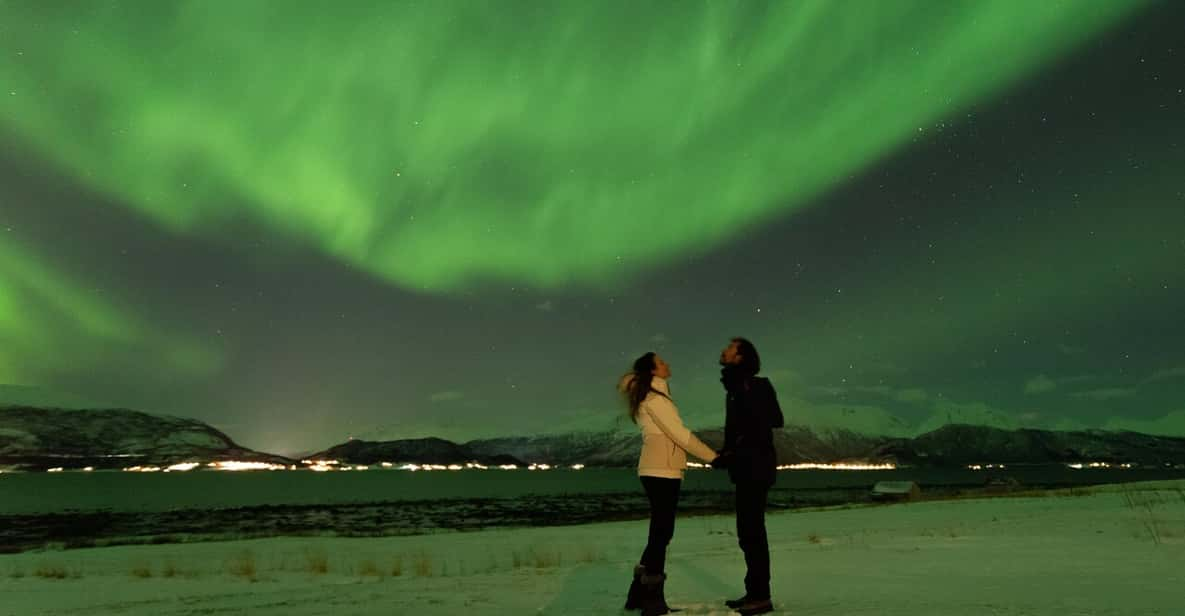
Prestvannet is the darkest ground within walking distance of downtown, a small lake on the hill above the city. Getting there means a 20 to 30 minute uphill walk of about two kilometres, or city bus 28 or 40 straight to the lake.
It is darker than the centre but not fully dark: lit paths and nearby housing keep a glow on the sky, and the western shore gives the clearest view north over open water.
On a clear night the walk earns itself. Calm water mirrors the display, and the rocks and jetties along the shore give a photograph its foreground line.
Winter changes the arithmetic. Paths and the short lake circuit hold packed snow and thick ice, so slip-on microspikes are essential, and the lake ice can look solid while staying dangerously thin, so keep to the shore.
Plan around what is missing: no toilets, no shelter, no cafe. Bring a thermos and dress for hours of standing.
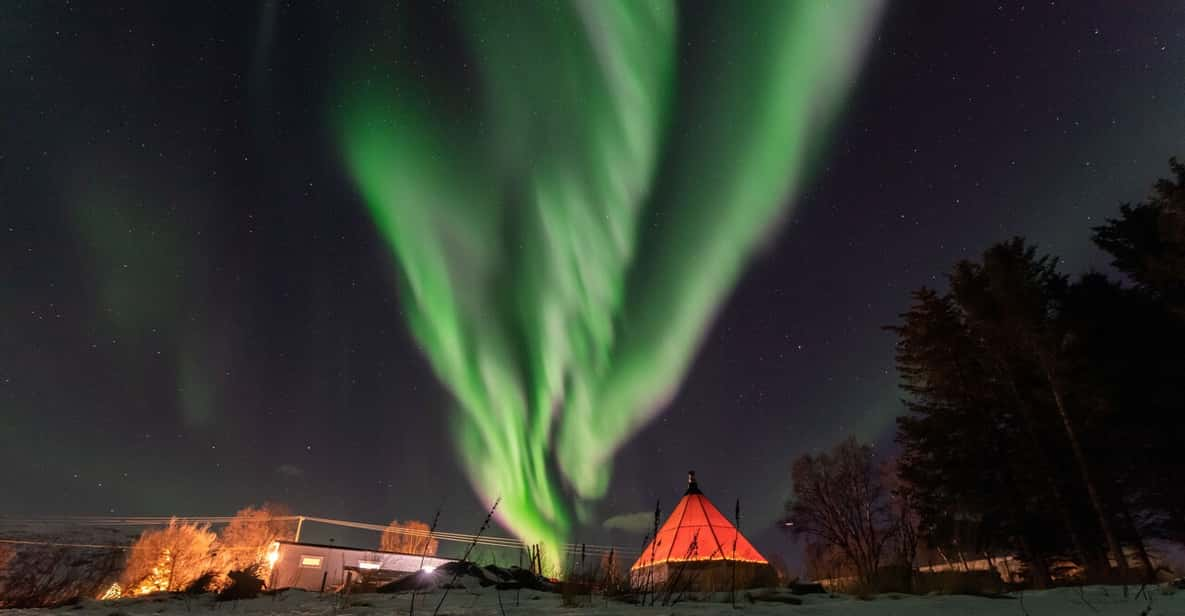
Telegrafbukta sits at the southern end of the island, facing south and east across open water toward the mountains of Kvaløya. The direction does two things: it keeps the heaviest hotel and harbour glow at your back, and it hands photographers open fjord water and mountain silhouettes for a foreground.
Darkness here is a step better than downtown but not dramatic. City glow still hangs over the southern horizon, where moderate displays tend to sit low, so the beach performs best on stronger displays, when bands rise high enough to clear the glow.
Getting home is the detail that catches people. Bus 33 runs direct from the centre, with line 34 leaving slightly earlier, and on ordinary nights the last bus leaves just after midnight.
Friday and Saturday nights add night buses until nearly four in the morning. The toilets are seasonal and shut for winter, so come ready to stand.
No viewpoint frames Tromsø itself like this one. From the top station on Mount Storsteinen the town spreads out below: the bridge, the strait, the island and the fjords around it, with the Arctic Cathedral and the city lights standing in as foreground.
When a display runs over the strait, glow below and lights above land in a single photograph.
Getting up is quick. A shuttle bus runs from the quayside hotels in 15 to 20 minutes, city bus 26 climbs from the main square area, a taxi needs about ten minutes, and the walk across the bridge takes 35 to 45 minutes.
The cable car runs every half hour through the day and evening, with the last ride down at midnight.
Two winter realities shape the visit. The summit cafe is a temporary wooden building with limited seating, open until 11:30 pm, and its kitchen stops serving around 5:30 pm, so eat before you go.
Height also helps only if the sky over the strait clears; on many coastal nights the cloud covers everything, and you ride down with a fine city view and no lights.
Fjord country starts about half an hour west, and Ersfjordbotn is the shot photographers come for: a narrow fjord pinched between steep snow-capped walls, opening north and west, so on a calm night the display and its reflection stack in one frame. The jagged peaks line the water like a funnel aimed at the sea.
Getting there takes planning. Evening buses are thin, a direct route from the centre or a transfer further out, and the island roads are narrow, winding and icy for months.
Ice hides under fresh snow, stays slick beside water and on bridges while the rest of the road looks merely wet, and reindeer step onto unlit stretches after dark. Roads can close at short notice when avalanche risk rises.
The village offers no safety net: no public toilets, no restaurant, no nightlife, and the local cafe keeps daytime hours only. Arrive with a full tank, ice spikes and your own plan for the cold, or hand the fjord roads to a tour driver.
The fact that rearranges the whole search sits east of town. On many winter evenings when Tromsø sits grey from horizon to horizon, the valleys beyond the Lyngen Alps are clear.
The mountains rise over 1,800 metres and wring the moisture out of the Atlantic air on their western slopes; the air that sinks into places like Skibotn is dry and cloud-shy, taking a fraction of the rain and snow the coast gets.
The pattern has been measured across ten winters: Skibotn had usable clear evening skies roughly one night in two, against two nights in five over Tromsø. Astronomers noticed long ago. The valley keeps an observatory, with one of the larger research telescopes in Norway, precisely because its sky behaves.
The drive explains why chasing exists. Skibotn lies about 125 kilometres east, two hours on the E8 in decent conditions, and about 90 minutes out the skies reach the darkest rating this coast allows.
In a storm, the exposed stretch toward the Finnish pass closes or crawls in convoy behind a snowplow. That detail is the case for a driver who knows the road all winter.
A rental car hands you the freedom no tour can: leave when you like, pick your own fjord, linger while the lights hold. On clear evenings the coast around Kvaløya, Ringvassøya and Sommarøy gives self-drivers viewpoints that no tour stops at.
Then the honest part, and it is firm. Renting a car for an aurora night without Arctic winter experience turns the evening into a genuine risk.
Black ice hides under fresh snow, the roads run dark, narrow and icy for months, reindeer step onto unlit stretches at night, and a stuck rental can wait a long time for help.
The job that decides the night, reading cloud layers and driving toward the gap, is the same job guides do with satellite data and a live network of drivers on the road.
If real winter driving sits in your history, the coastal routes on a clear evening are a pleasure. If it does not, the money a rental saves is saved in the wrong place.
On most winter nights the ideal viewing spot moves, and the only way to stand under it is to drive there. A guided minibus chase treats the sky as the destination.
Guides read satellite cloud data, swap live reports with other drivers across the region, and reroute the evening as gaps open, sometimes up to 250 kilometres from town, occasionally across a border.
The odds hold up in the field. Chases find usable clear skies on about nine departures in ten, and sightings land close behind that.
A fixed city spot plays by different rules: a three-night stay gives you even odds of a single clear night, and even five nights leave a one-in-three chance of never seeing open sky.
So the real decision is between standing still, driving yourself and riding with a guide, and the three trade off darkness, cloud escape, comfort and who they suit.
| Fixed city spot | Self-drive | Guided chase | |
|---|---|---|---|
| Darkness | City glow on the horizon | As dark as the pull-off you pick | Drives to genuinely black skies |
| Escaping cloud | None, you stay put | You read forecasts alone | Live satellite data and rerouting all evening |
| Comfort | Thermos and standing | Whatever fits in the car | Thermal suit, campfire, hot drinks |
| Who it suits | Free backup nights between tours | Confident Arctic winter drivers | First-timers who want the odds on their side |
The chase wins on cloud escape and hands you a thermal suit and a campfire; the city spot costs a bus ticket and suits the free evening between tours; self-drive makes sense only with real winter roads behind you.
Tromsø: Chase Aurora without borders is the closest bookable version of this idea, a seven-hour night with a multilingual guide, no fixed turnaround, campfire marshmallows and hot blackcurrant juice, thermal suits, a free aurora portrait and hotel drop-off downtown at the end.
One thing to have in your pocket: a physical passport, because some nights the clear sky sits in Finland, two and a half to three hours away.
Set the expectation before you pay. No tour returns your money for an empty sky; if the vehicle rolls, the service is the chase.
A cancellation for dangerous roads brings a refund or a new date, and some operators discount or comp a retry after a no-show. Read that line on the booking page while you still have choices.
The lights keep hours. Displays can appear whenever the sky is fully dark, from about six in the evening to two in the morning, but the productive stretch runs from 9 pm to 1 am, peaking near 11 pm when the auroral oval sits overhead. Evening plans should leave room for that.
Auroras can appear as soon as the sky is dark, but outbursts are generally less frequent.
Activity peaks around magnetic midnight near 11 pm when the auroral oval sits directly overhead.
Displays taper off after magnetic midnight, but active solar storms can keep skies vibrant.
The late window is why tours run long, and why fixed-spot nights feel long too. Displays come and go in waves, and people who head home at ten regularly miss what shows at half past.
Forecasts work in short doses only. Space-weather numbers are reliable a few hours ahead, cloud forecasts one or two days, and the official Norwegian apps split clouds into high, medium and low layers, which matters because thin high cloud lets them through while low cloud blocks everything.
City webcams mislead more than they help; they often miss displays the eye catches.
Set your expectations now and the night gets better. A faint aurora looks like a pale grey-green smear to the eye; the camera, stacking light over seconds of exposure, renders it green and purple.
A full moon does not cancel the lights, though it can wash out the faintest bands, and it lights the mountains for photographs.
Standing still is the hardest thing you will do all night.
A fixed-spot watch means hours on your feet in anything from just above freezing to well below minus 20, and the layer system is what turns that from an ordeal into the part you remember: wool against the skin, never cotton, fleece or down over it, a windproof shell or a thermal suit on top.
Feet and hands decide the night. Roomy insulated boots take two layers of wool socks without pinching blood flow, windproof mittens go over thin liner gloves so you can still work a camera dial, and a beanie over the ears with a buff at the neck seals in heat.
Slip-on ice cleats keep you upright on packed snow and sheet ice.
Two extras separate first-timers from repeaters: a thermos of something hot, and an insulated pad to sit or stand on while you wait. Cold drains phone and camera batteries fast, so keep spares in an inner pocket close to your body.
The best viewing spot in Tromsø is wherever the sky is clear that night, and most clear nights are found by driving. Book a guided mobile chase for your first evening, keep the walkable city spots as free backups, and let the fixed coordinates go.
bortle 2 skies start 90 minutes out
How guides hunt clear skies inland and across the Finnish border when Tromsø sits under cloud.
Small van chases with campfires and thermal suits, and how they reach dark spots a coach cannot.
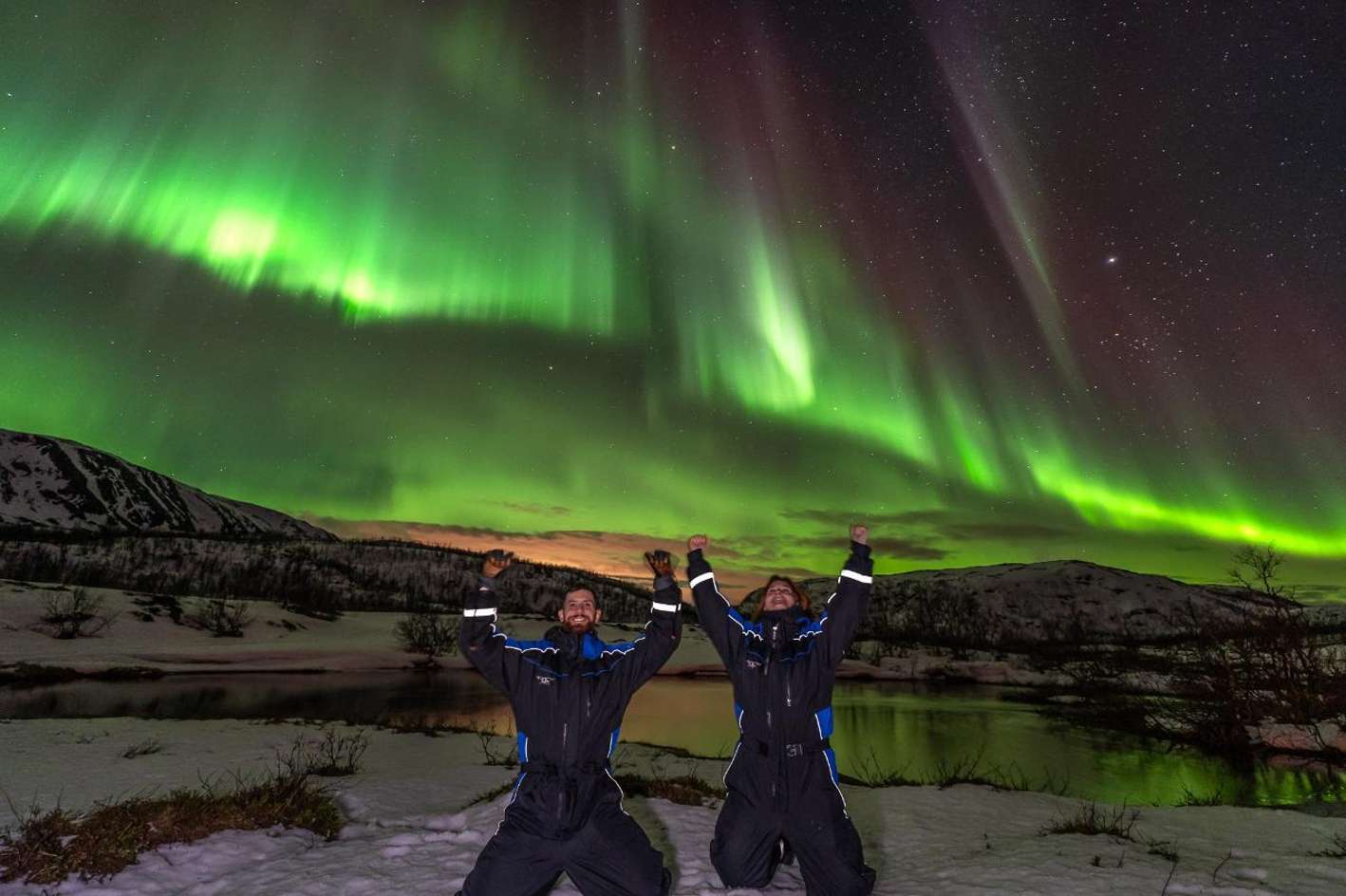
Coach chases with an onboard toilet, the low-cost way to travel far from town on a cold night.
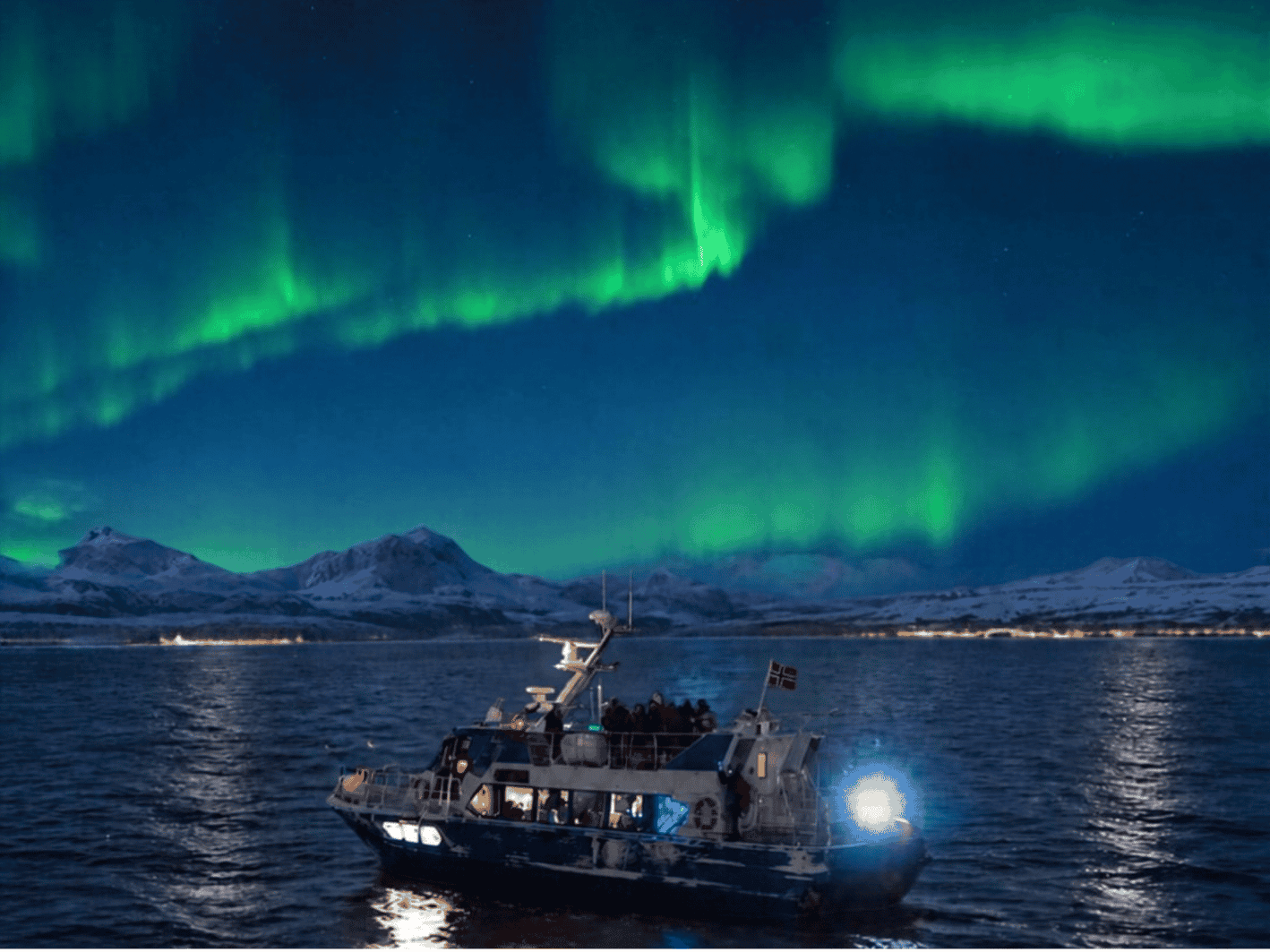
Evening fjord cruises where you watch the lights from heated lounges and open decks.

Minivan tours with fewer people, faster route changes and stops on quiet, dark side roads.
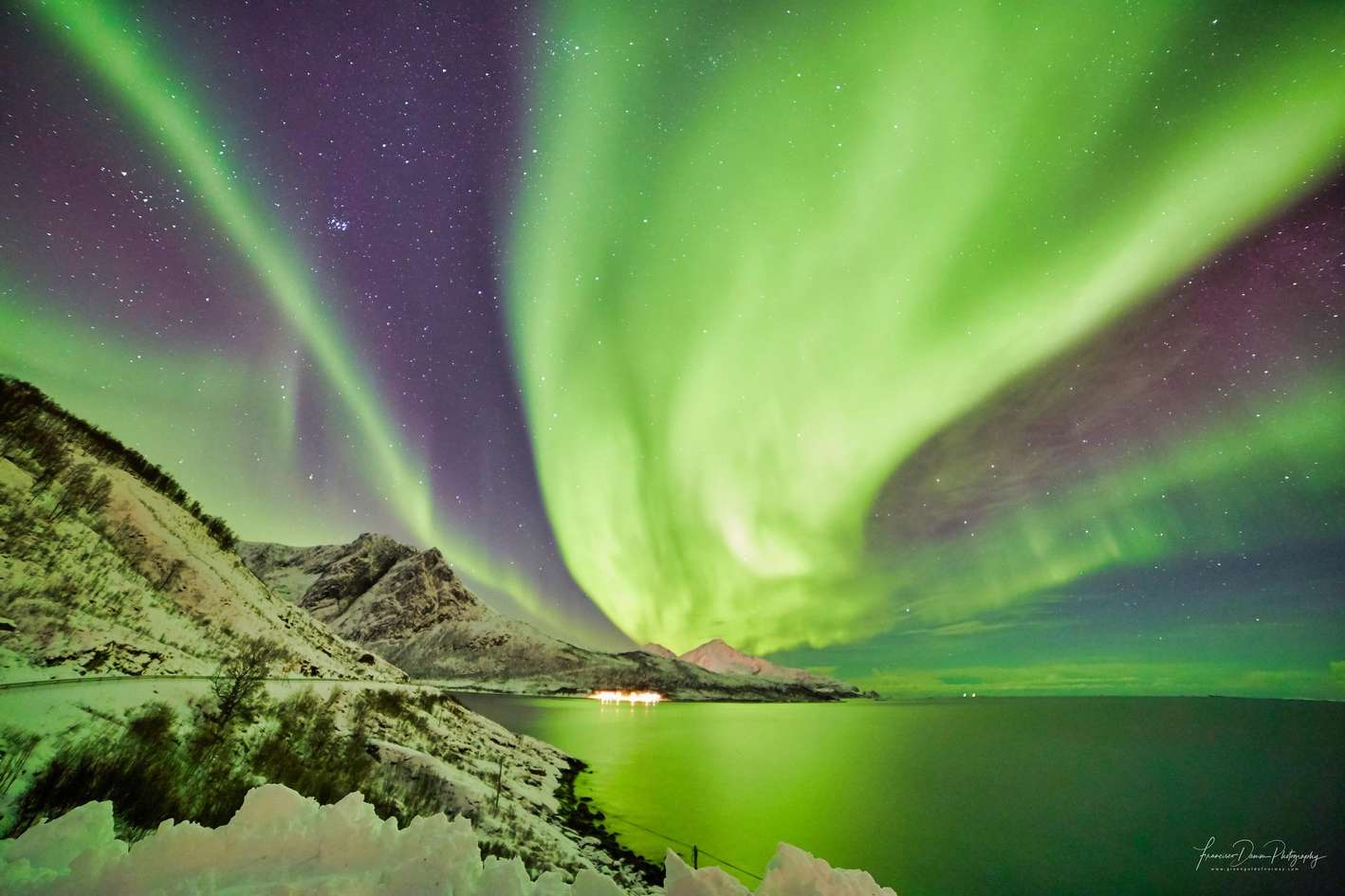
A guide and vehicle just for your group, with your own route, timing and pickup.
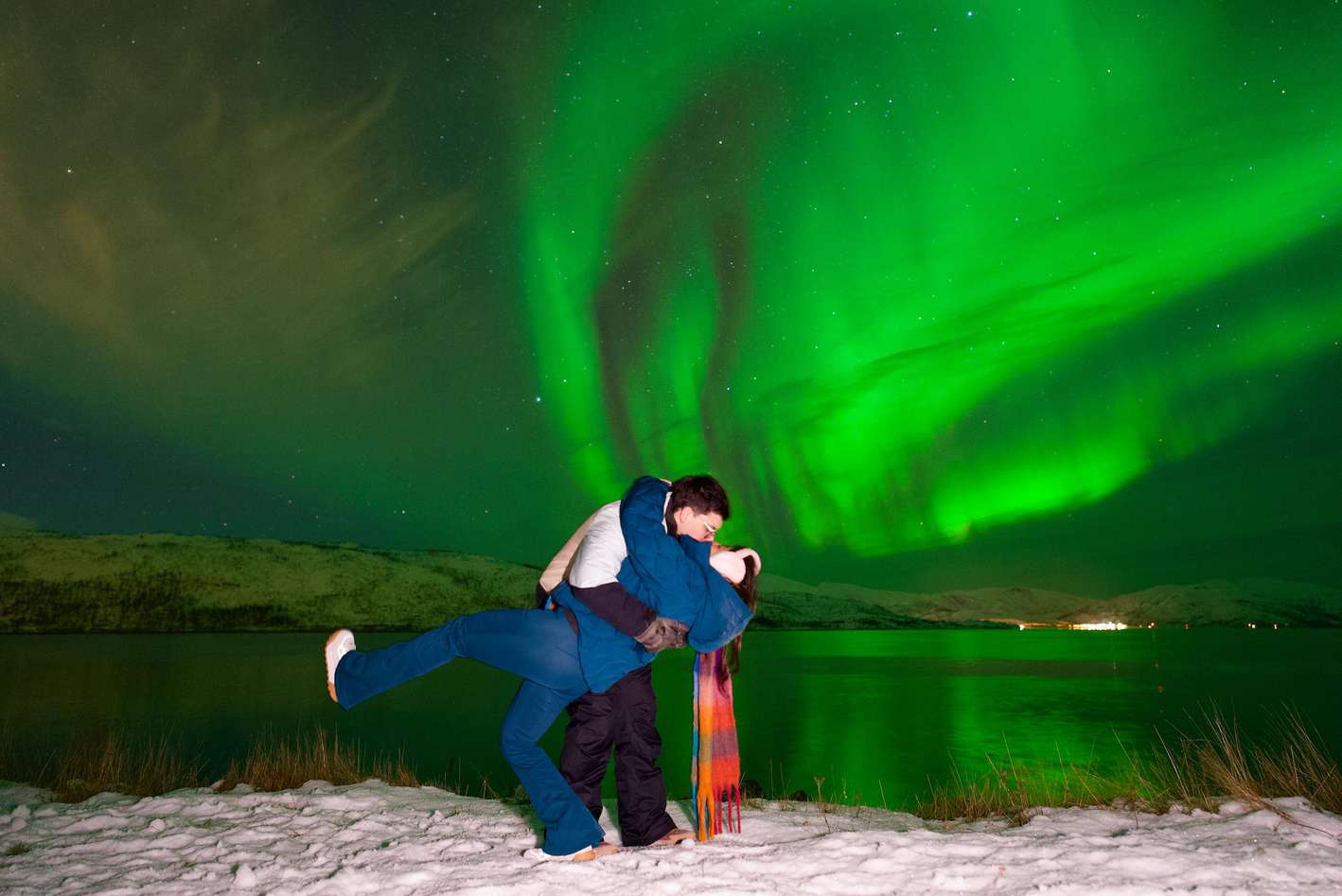
Tours with free retries or unlimited second chances if your first night ends under cloud.
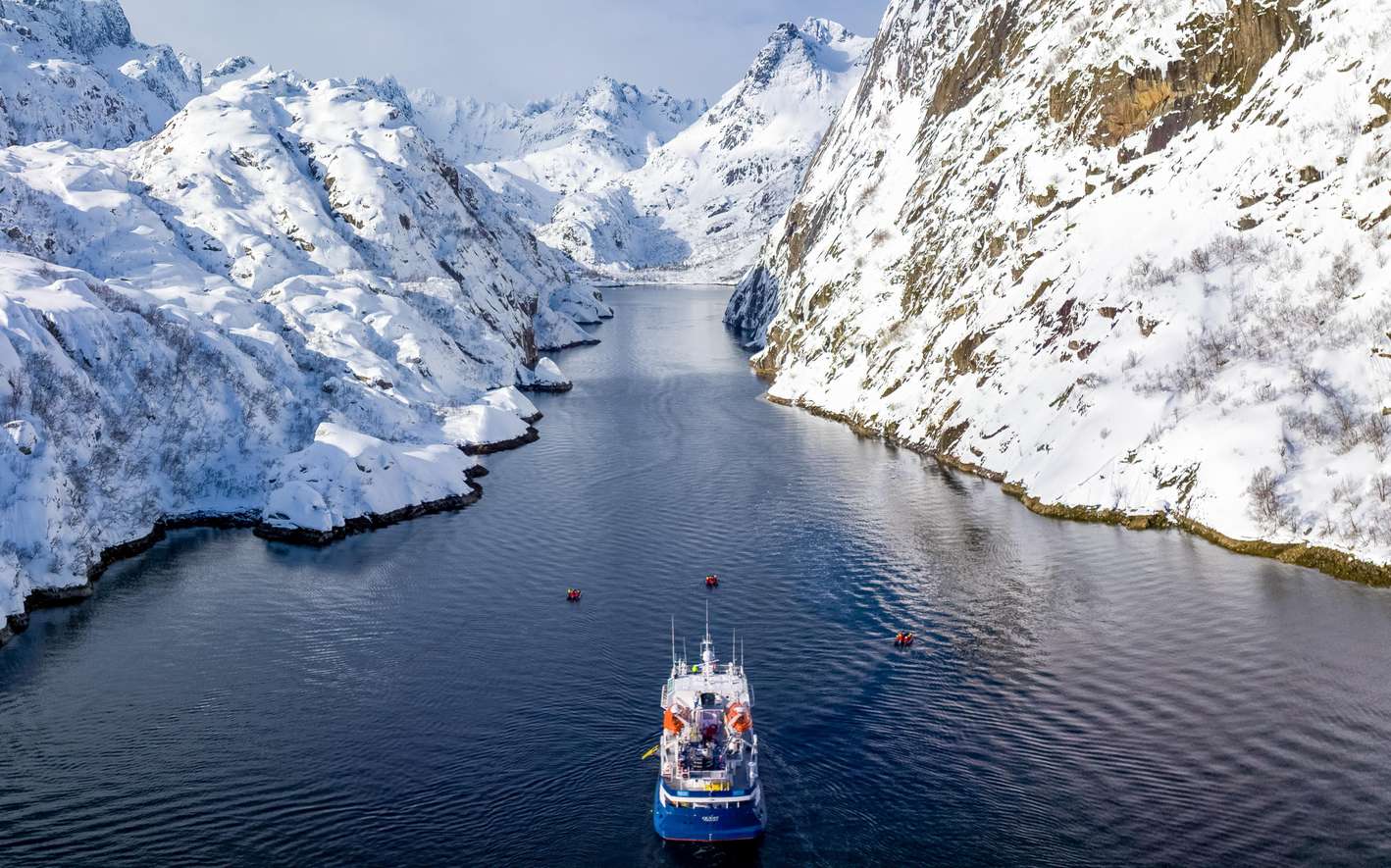
Multi-day trips that bundle chases with dog sledding, cruises and airport transfers.
Short, straight answers to the questions visitors ask most about where to watch the aurora in Tromsø.
Tromsø2026Yes, when the sky above the city is clear and the display is strong. Streetlights cut down on faint auroras though, so a big show shows up well while a weak one may not appear at all.
Prestvannet lake on the hill above town, Telegrafbukta beach at the southern tip, and the Fjellheisen cable car up Mount Storsteinen all work. The cable car runs until 10 pm, so check the last ride down before you go.
Downtown Tromsø sits at Bortle 5 to 6 light pollution, and satellite readings put the very centre closer to Bortle 8. Thirty minutes by road brings you to Bortle 3 to 4 skies, and a 90-minute drive reaches Bortle 2.
Coastal cloud sits over the city on most winter nights, and clouds block the aurora completely no matter how strong the forecast. Inland valleys east of the Lyngen Alps sit in a rain shadow with drier, clearer skies, so guides drive toward whatever patch of country is clear.
The best window runs from 9 pm to 1 am, with activity peaking around 11 pm local time when the auroral oval sits directly overhead. Displays can show up any time the sky is fully dark, roughly from 6 pm to 2 am.
Without Arctic winter driving experience it is not recommended. Dark, narrow roads carry severe snow, black ice, and sub-zero conditions, and roads can close at short notice when avalanche risk rises. A guided chase takes the driving off your hands.
Your eyes need more light to see colour, so faint auroras read as pale grey or whitish streaks. Camera sensors collect light over long exposures and capture the green and purple that the naked eye misses.
No stay guarantees a sighting, but plan at least 3 to 5 nights. A 3-night stay gives about a 51% chance of at least one clear night at a fixed spot, while mobile chases driving inland report clear skies on 93% of departures.
Yr shows the Kp index and splits cloud cover into high, medium, and low layers, and its Nowcast predicts aurora intensity 30 to 90 minutes ahead. Norlys adds live webcams and community sightings across Northern Norway.
Yes, if your phone has a manual or Pro mode. Set the ISO to 1600 to 3200, the shutter to 10 to 15 seconds, turn off the flash, and skip digital zoom. A 2-second timer keeps your tap from shaking the shot, and a tripod helps a lot.
Bright moonlight can wash out very faint bands, but it does not cancel the aurora. In fact a full moon lights up the snowy mountains and fjords for photography, while nights near the new moon give the darkest, strongest-looking skies.
onboard toilet and wi-fi on the bus
A seven-hour coach chase to a heated private aurora camp with hot food and photos included, and free cancellation up to 24 hours in advance.